ISO 27001
Explore articles in the ISO 27001 category
16 articles
This flagship article walks CISOs and compliance leaders through a real-world approach to building a NIS2-compliant supply chain risk program. It combines regulatory insights, actionable controls, and Clarysec’s expert guidance to turn your supply chain from a critical vulnerability into a resilient, auditable asset.
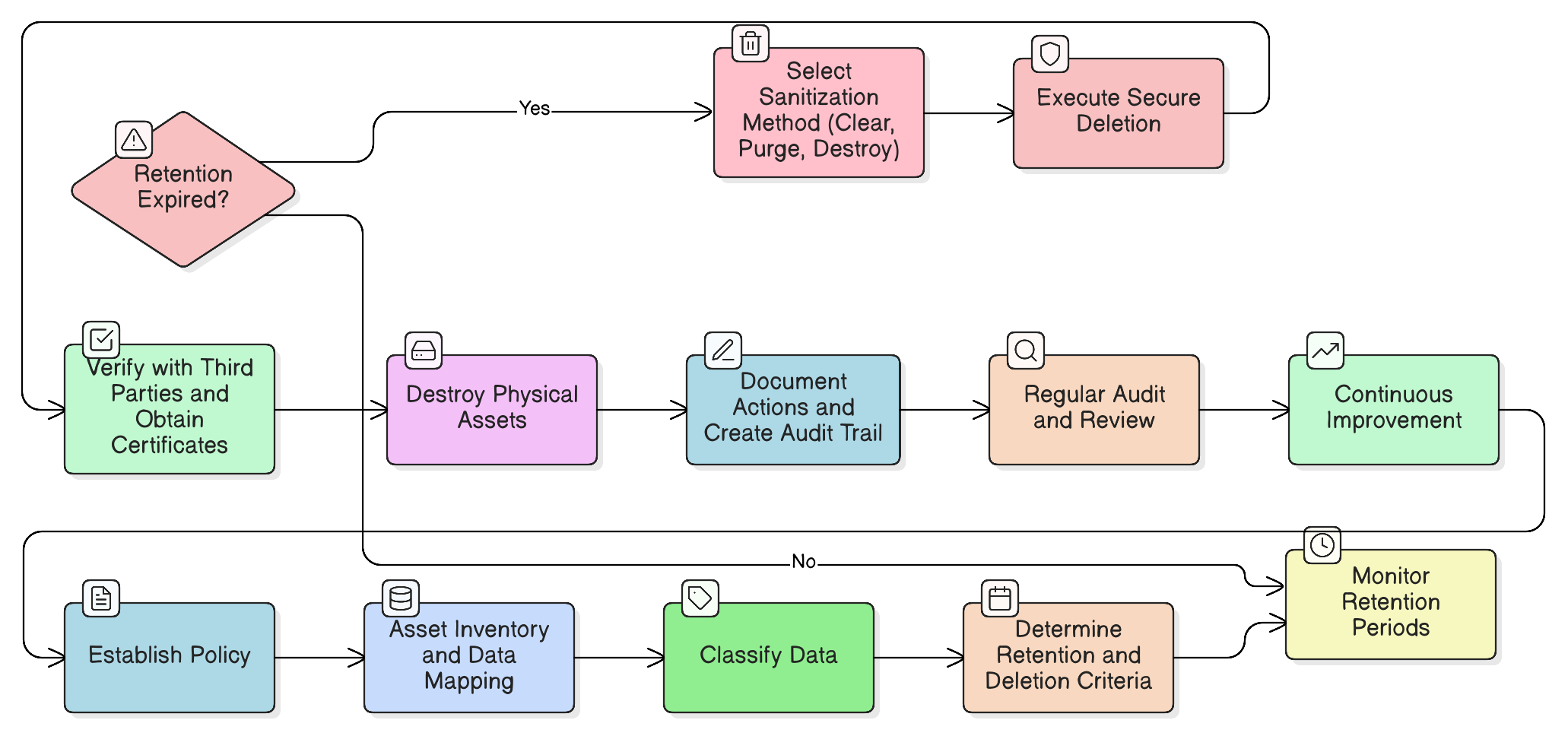
Transform your legacy data risk into a strategic advantage. This in-depth guide covers everything from policy creation and media sanitization to building an audit-proof trail for data disposal, combining Clarysec’s expert roadmaps and policy toolkits.
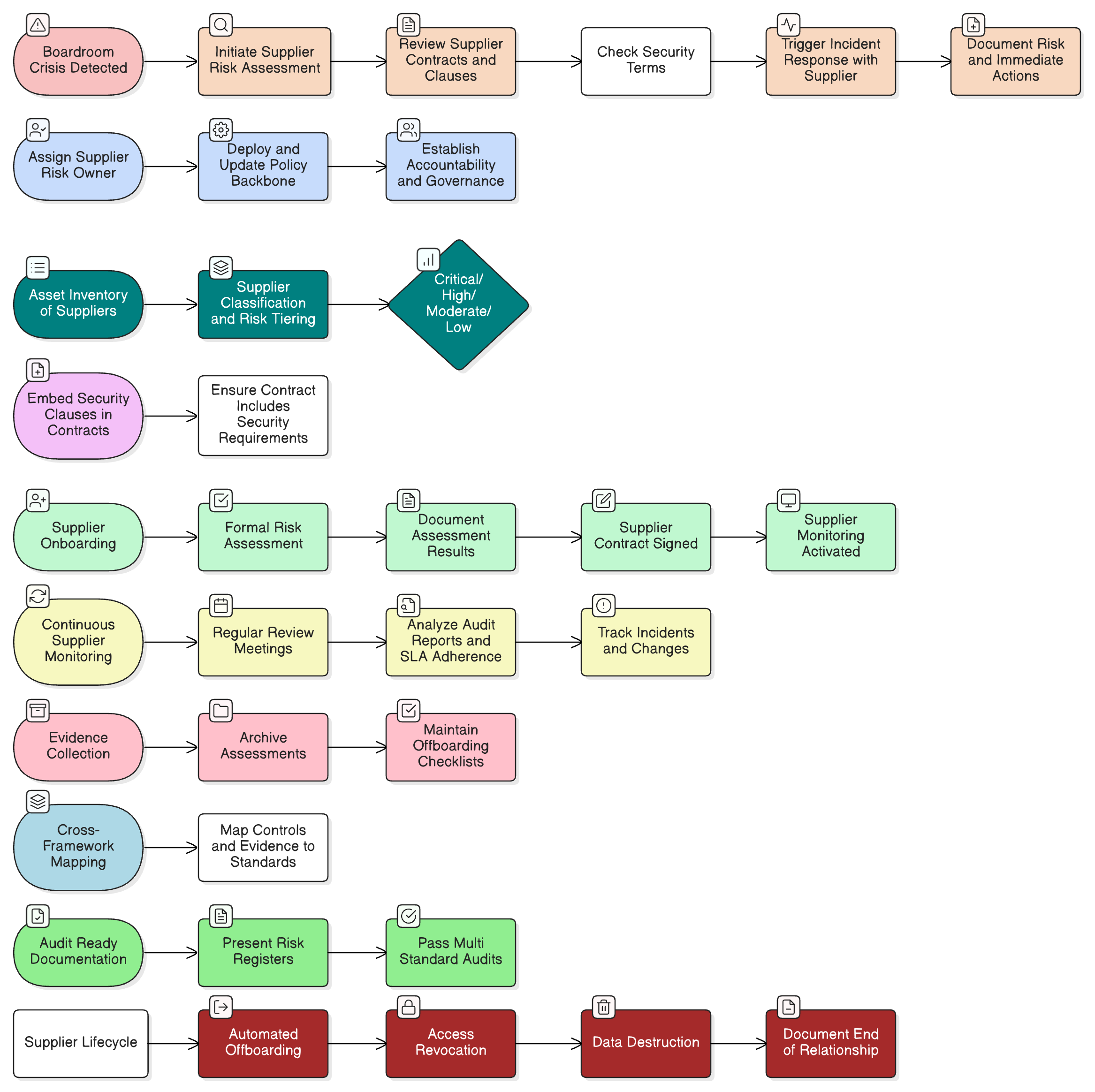
A comprehensive guide to operationalizing supplier risk management, from boardroom crises to cross-framework audit triumphs, using real-world scenarios, Clarysec’s Zenith toolkits, and actionable blueprints that secure the supply chain throughout its entire lifecycle.
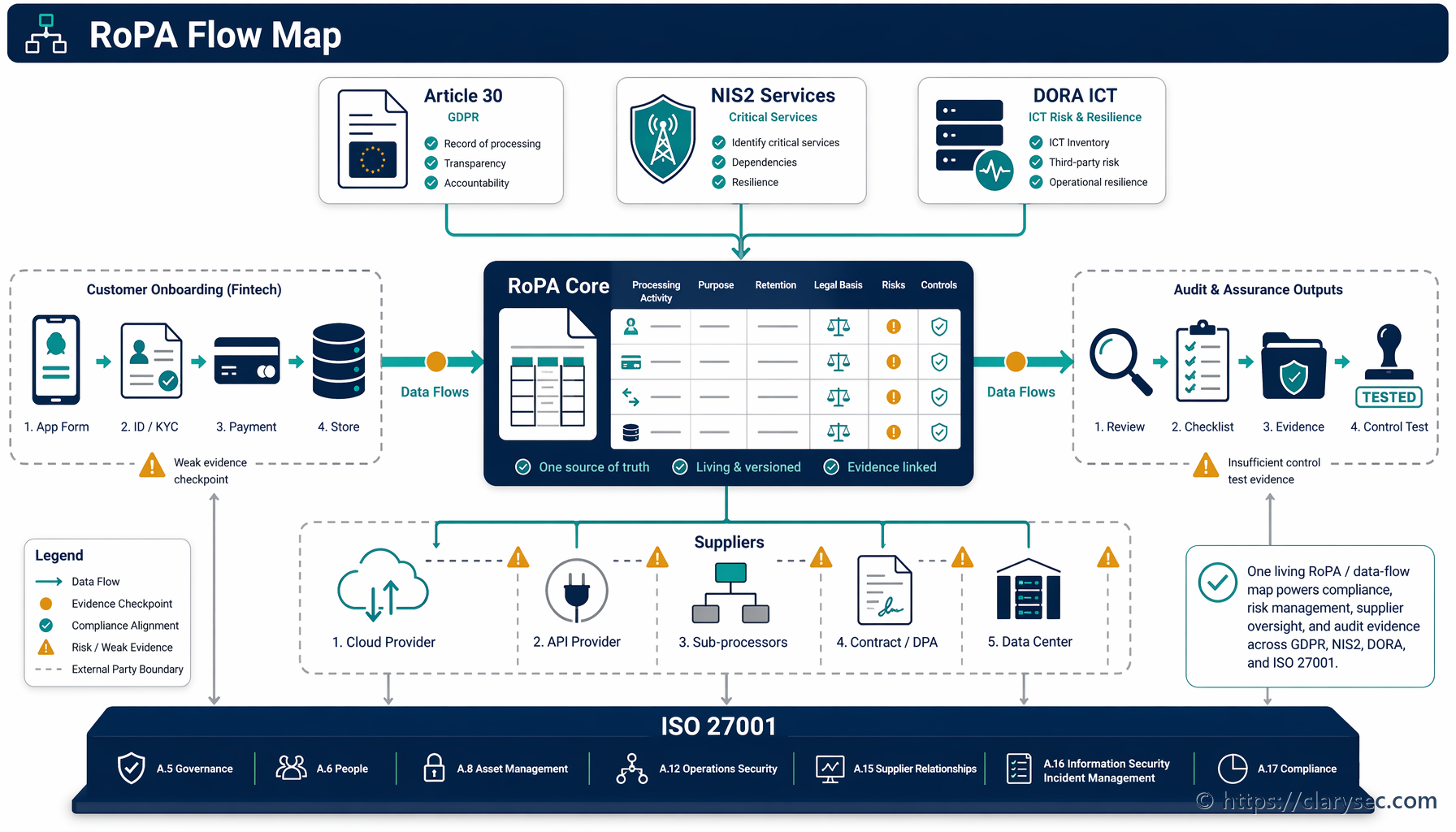
A practical 2026 guide for turning RoPA and data flow mapping into a unified evidence layer for GDPR Article 30, NIS2 critical services, DORA ICT dependencies and ISO/IEC 27001:2022 audits.
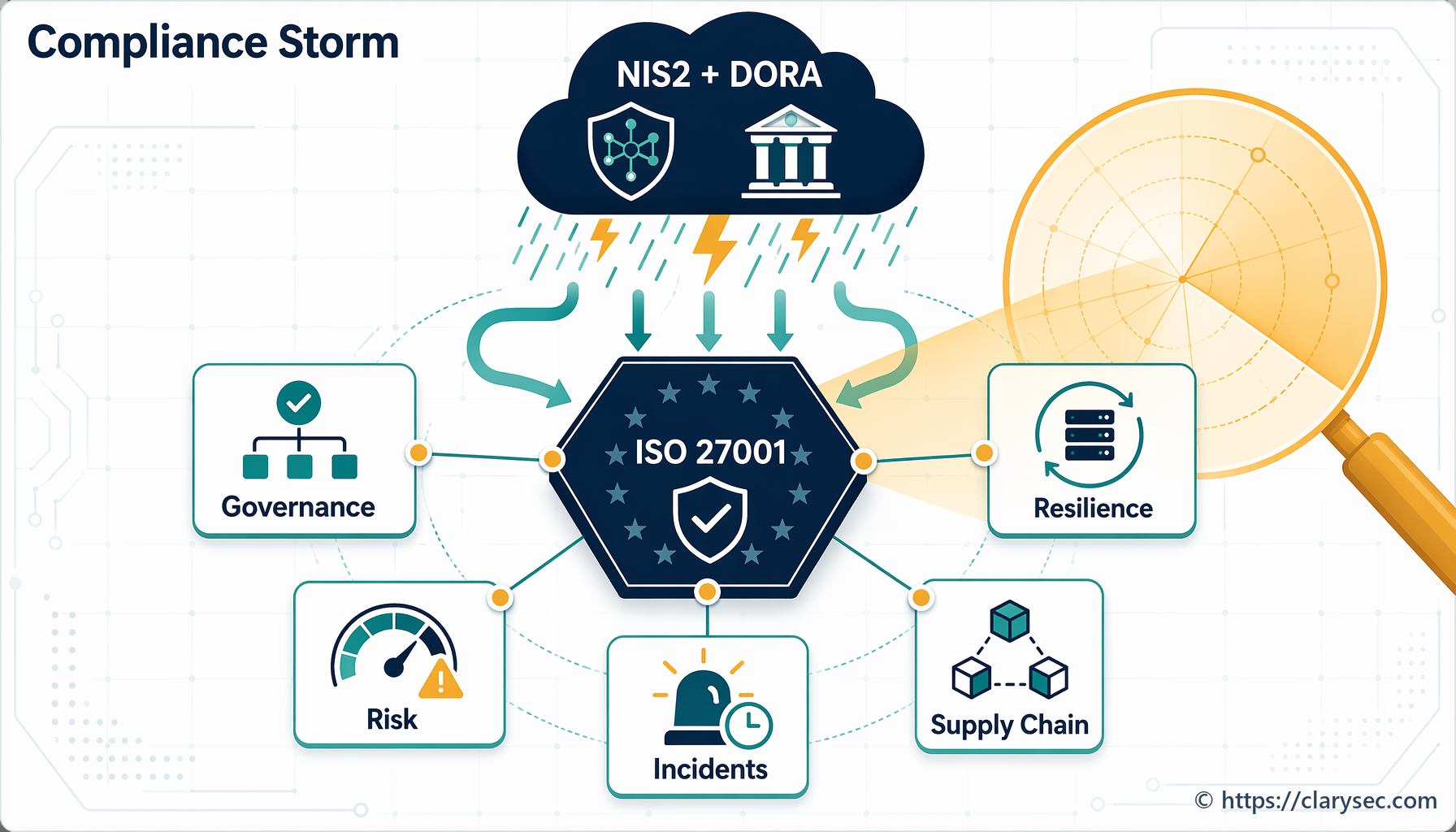
The EU’s NIS2 Directive and DORA Regulation are transforming cybersecurity compliance. This guide breaks down their impact and provides a practical path to readiness.
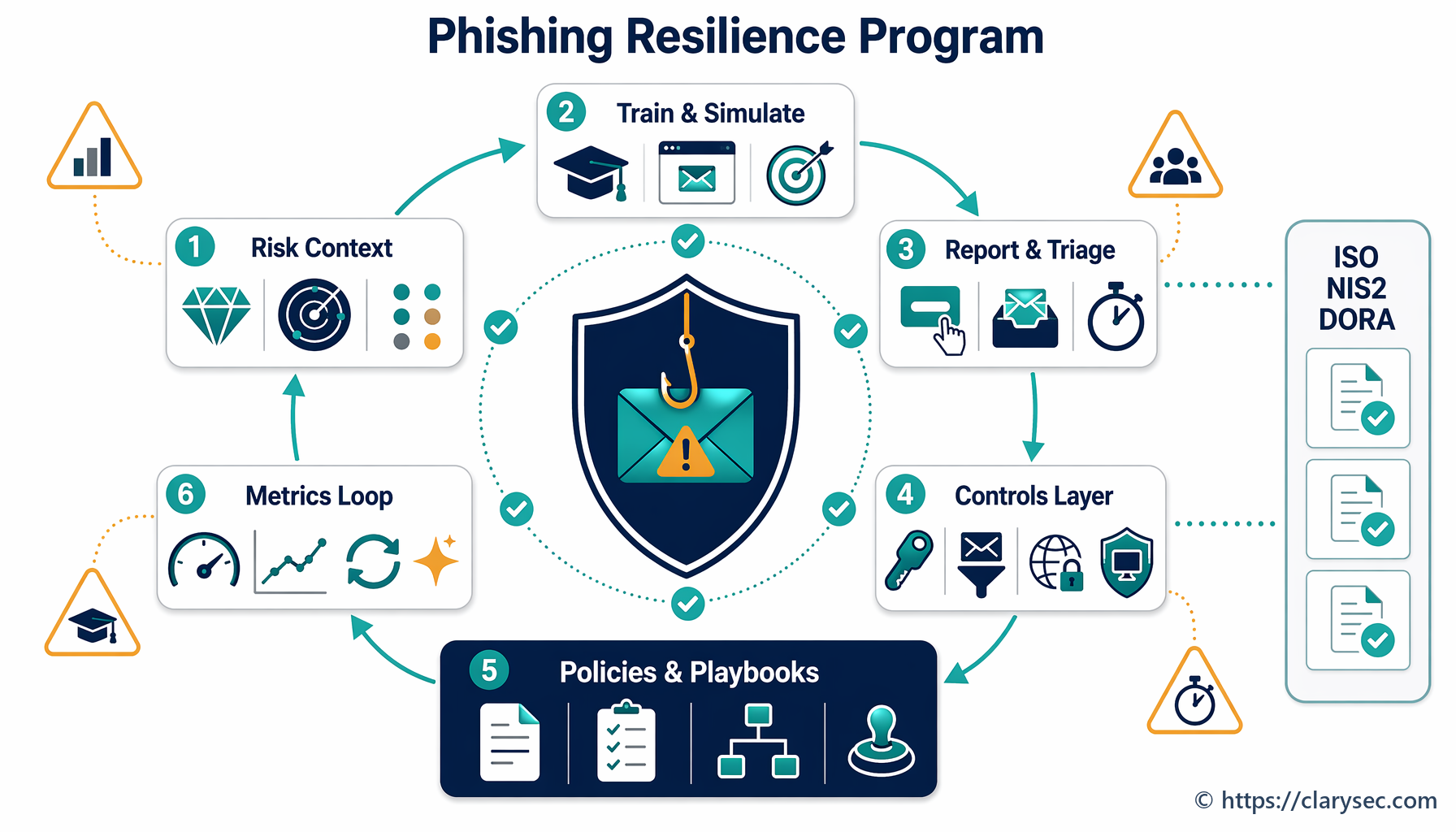
A practical guide for CISOs and SME owners on building a robust phishing resilience program aligned with ISO 27001:2022, NIS2, and DORA requirements.
Introduction
ISO 27001 is the international standard for information security management systems (ISMS). This comprehensive guide will walk you through the essential steps to implement ISO 27001 in your organization, from initial planning to certification.
What is ISO 27001?
ISO 27001 provides a systematic approach to managing sensitive company information and ensuring it remains secure. It includes people, processes, and IT systems by applying a risk management process.
Key Benefits
- Enhanced Security: Systematic approach to protecting information assets
- Regulatory Compliance: Meets various regulatory requirements
- Business Continuity: Reduces the risk of security incidents
- Competitive Advantage: Demonstrates commitment to information security
- Customer Trust: Builds confidence with clients and partners
Implementation Process
1. Gap Analysis
Start by conducting a thorough gap analysis to understand your current security posture: